Buying a Home in Homestead FL: A South Miami-Dade Guide
Buying a home in Homestead FL: how post-Andrew construction, tax bill assessments, Redland farm zoning and Miami-Dade assistance shape your mortgage.
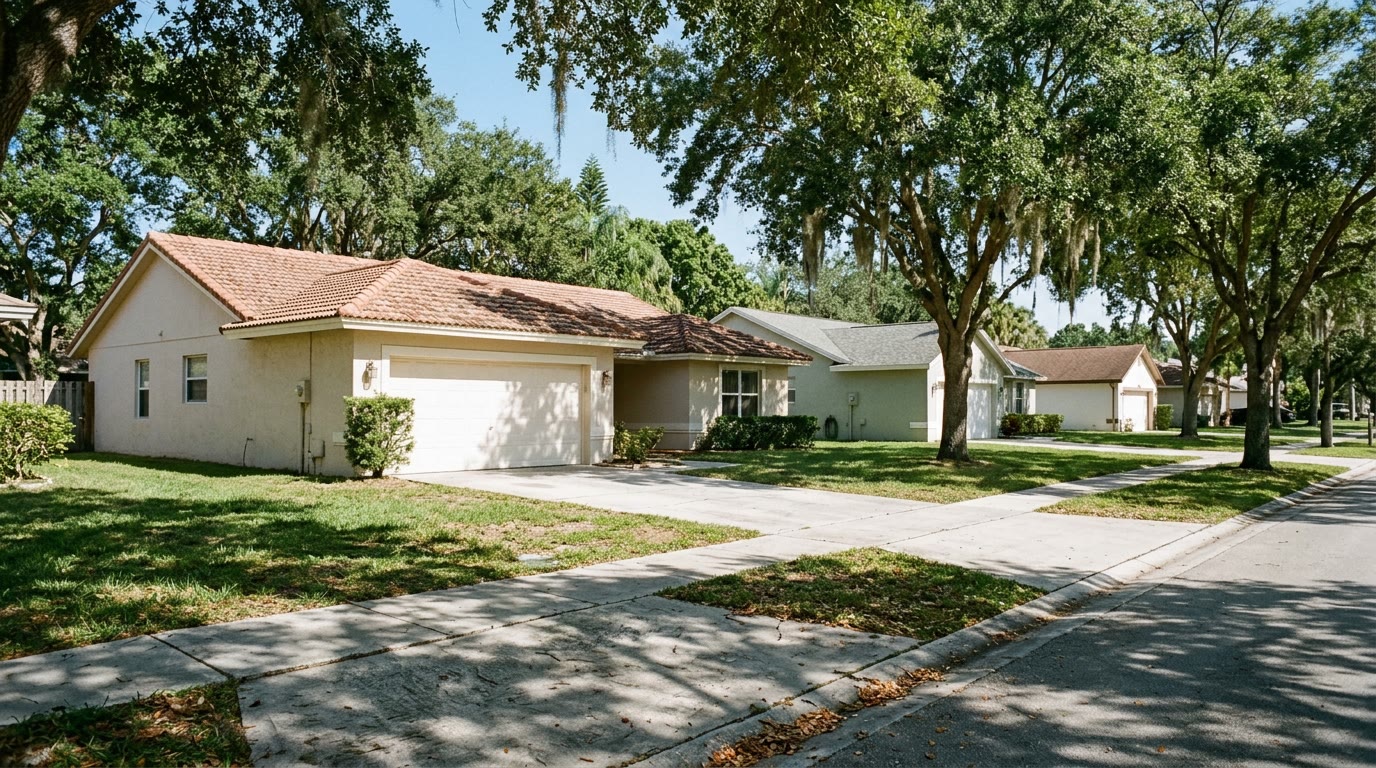
If you are buying a home in Homestead FL, the questions that shape your mortgage are different from the ones buyers face in Broward. Most of the housing here was built or rebuilt after Hurricane Andrew in 1992, newer subdivisions often bill part of their costs on the property tax bill, and the farmland of the Redland starts at the edge of town. Each of those changes the underwriting, even though the loan programs are the same ones you would use anywhere in Florida.
How Homestead differs for a lender
Homestead is a Miami-Dade city at the southern end of the county, and that sets the closing customs, the tax bill and the assistance programs you deal with. It also sets the housing stock, which is younger on average than in Hollywood or Fort Lauderdale.
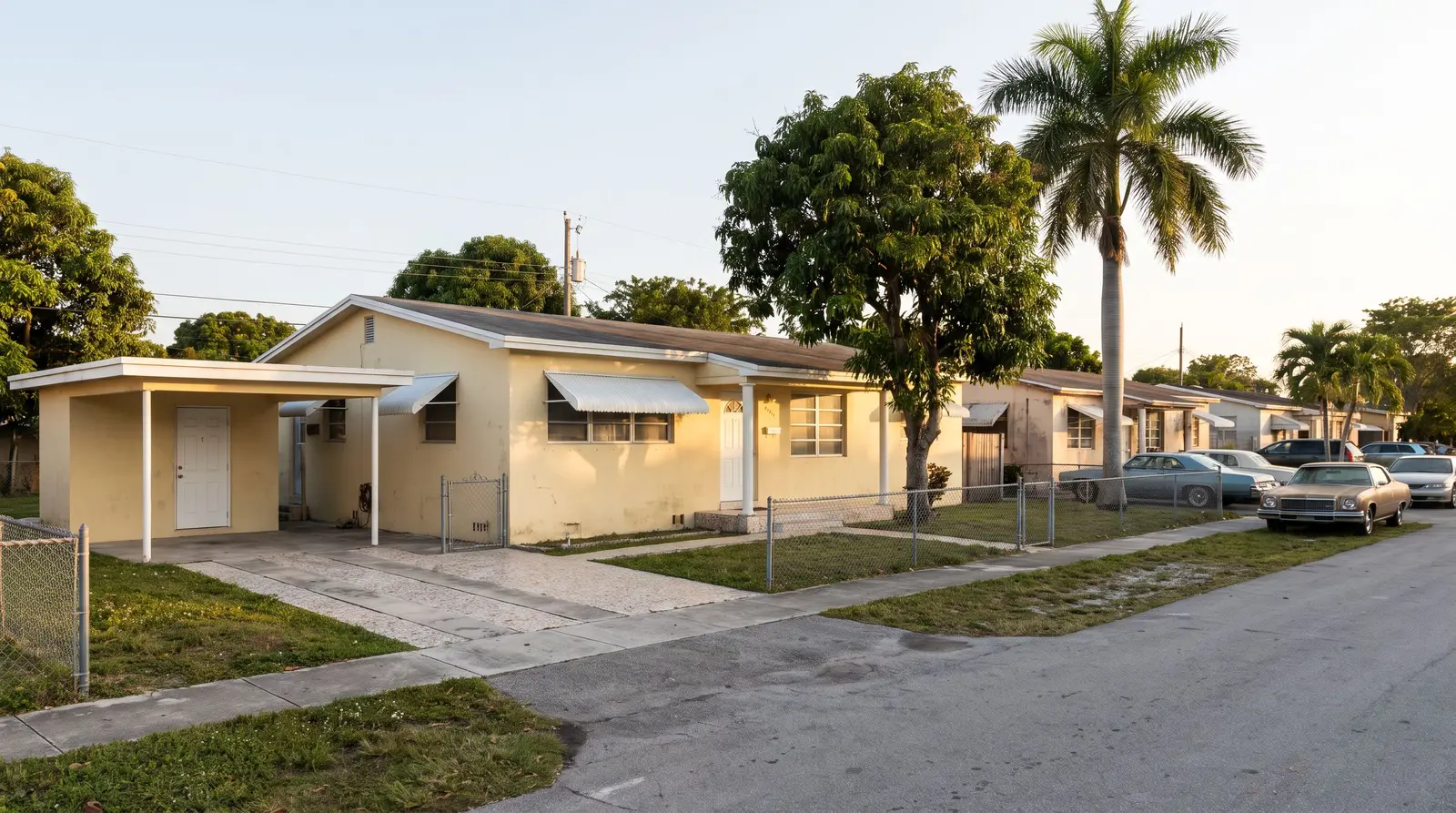
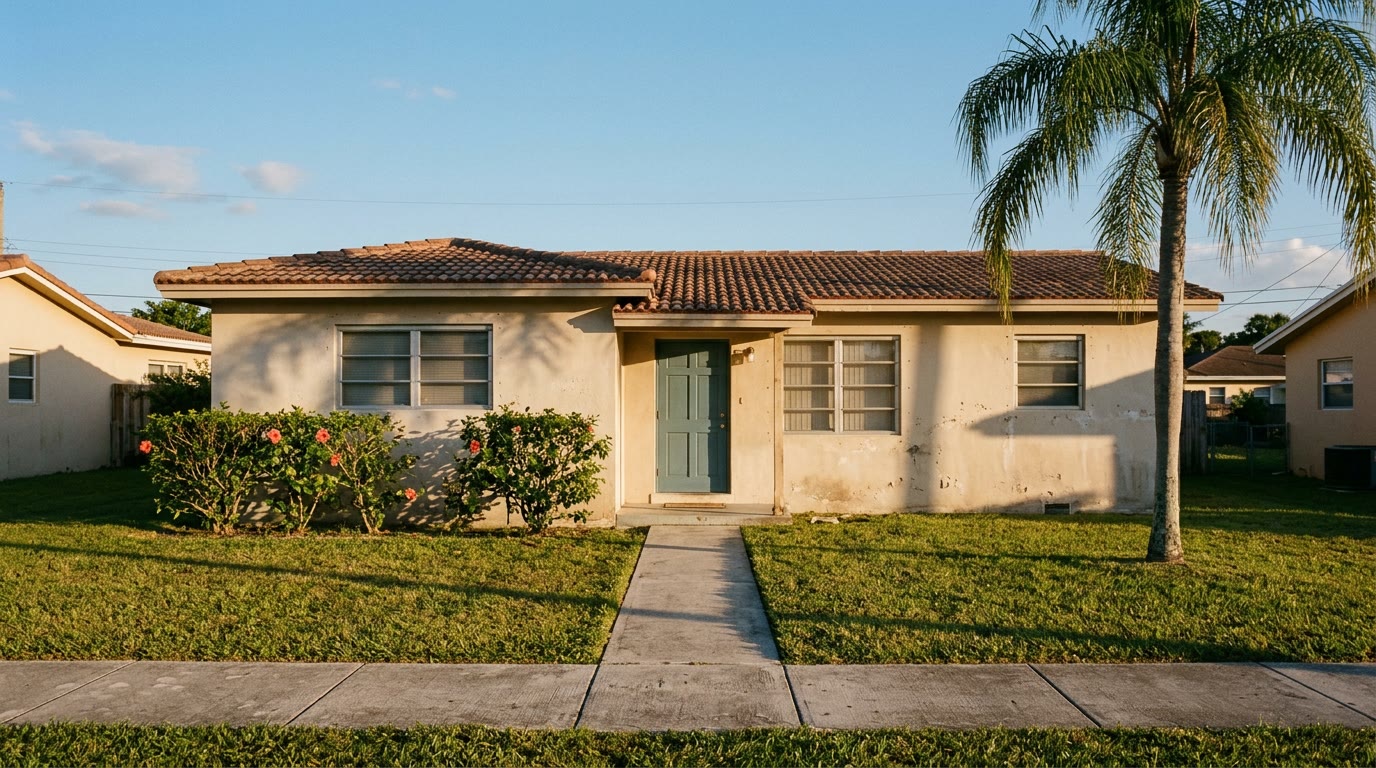
Andrew destroyed or damaged a large share of the homes in Homestead, Florida City and the surrounding unincorporated area. What stands today is mostly rebuilt houses from the mid 1990s, subdivisions built through the 2000s, and newer communities still filling in along the Turnpike. You will still find older concrete block homes near downtown and in pockets such as Naranja, but they are the minority.
Two boundaries matter when you shop. The first is the city line, because an address that says Homestead may sit in unincorporated Miami-Dade, with county zoning and county services. The second is the county's Urban Development Boundary, which separates suburban subdivisions from the agricultural land to the west. We come back to both below.
Post-Andrew construction and your insurance quote
The construction era of a Homestead home affects your approval mostly through homeowners insurance. Insurance is part of the housing payment we qualify you on, so a lower premium on a newer, better built home directly helps your debt to income ratio.
After Andrew, South Florida adopted a much stricter building code in 1994, and many of its provisions later became the High Velocity Hurricane Zone rules of the Florida Building Code. Newer homes built under those rules were required to have impact rated glass or approved hurricane shutters, and research after later storms found that South Florida homes built after 1994 typically suffered less roof and wall damage than older ones.
That does not mean every post-Andrew house insures cheaply. A roof put on during the 1990s rebuild is now roughly 30 years old, and insurers price roof age heavily. Before you write an offer, ask the seller for the roof permit date and any wind mitigation report. Our guide to Florida homeowners insurance and your mortgage payment explains how 4-point inspections and wind mitigation credits work.
Flood is a separate question. Much of south Miami-Dade is low and flat, so check the flood zone for the specific address early. Our South Florida flood zone guide covers when a lender requires flood coverage.
Tax bill assessments in newer subdivisions
Many newer Homestead communities pay for roads, drainage and common areas through an assessment that appears on your county property tax bill. Lenders count that assessment as part of your housing payment, so it affects how much house you qualify for.
These assessments come from two sources. Some communities sit inside a community development district, a special purpose local government created under Chapter 190 of the Florida Statutes. Kingman Gate, near Keys Gate in the Homestead area, is one, created by a Miami-Dade County ordinance in 2019. Others are covered by a county special taxing district, which Miami-Dade creates by petition to maintain things like private roads, and which is also billed as an itemized line on the tax bill.
On top of either one, you may still owe a homeowners association due. When you compare two homes at similar prices, add up all three numbers, not just the list price and the HOA. We walk through how a district assessment splits into a bond repayment part and an operating part in our guide to buying a home in Davie or Cooper City.
The practical step is simple. Pull the current tax bill for the address from the Miami-Dade tax collector and read the non-ad valorem section before you go under contract. Then run the full payment through our mortgage calculator with the real tax and assessment figures, not an estimate.
Redland acreage and agricultural zoning
West of Homestead, the Redland is mostly agricultural land outside the Urban Development Boundary, where Miami-Dade limits residential density. In the county's AU agricultural district, a single family home generally sits on a five acre lot.
That is a different financing problem from a subdivision home. Residential mortgage programs finance a home to live in, not a working farm, so the appraisal values the house and a reasonable amount of land. The appraiser also needs comparable sales of similar acreage homes nearby, and in the Redland those can be few and far apart. Expect a longer appraisal timeline and a closer look at well water, septic and any outbuildings.
If the property produces income from a nursery or grove, that income is usually not how you qualify for the residential loan. A larger agricultural or income producing parcel may be better suited to commercial financing. Tell us early which kind of property it is so we price the right loan.
You may also hear that USDA loans work around Homestead. Some addresses in south Miami-Dade may fall in USDA eligible areas, but eligibility is set address by address on the USDA map and changed after the 2020 Census, so check the specific property rather than assuming.
Miami-Dade assistance and closing costs
Buyers in Homestead use Miami-Dade County programs, not the Broward ones. The county's Affordable Homeownership Program, run by its Public Housing and Community Development department, provides a low interest second or third mortgage to reduce what you bring to closing.
The county lists several requirements. You must live in Miami-Dade when you apply, not own a home at application, fall within the program's income range, and complete a homebuyer education course. You must also take your first mortgage through a participating lender, and participation is limited to one time per family.
The trade-off is the same as with most assistance. A second mortgage is still a debt, and you need to read the program guidelines for when it must be repaid, such as on sale or refinance. Funding also opens and closes during the year. Our Florida down payment assistance guide covers how state and county programs can sometimes be combined.
Closing costs follow Miami-Dade custom. The buyer usually pays for the owner's title policy, and the county surtax on deeds does not apply to a deed for a single family residence. Vacant land in the Redland is a different story. Buyers looking farther north in the county, where older block homes with converted garages are common, should read our guide to buying a home in Hialeah. Our breakdown of Miami-Dade versus Broward closing costs explains who pays what.
Which loan programs fit Homestead homes
Most Homestead purchases use a conventional, FHA or VA loan, and the choice depends on your credit, savings and the property. Our first-time homebuyer program page compares the options side by side, including how assistance layers on top.
- FHA loans suit buyers with smaller down payments or recent credit issues. FHA mortgage insurance usually lasts for the life of the loan when you put down less than 10 percent, so plan on refinancing later to remove it. See our FHA loan page.
- Conventional loans let private mortgage insurance come off once you build enough equity, which can matter in a newer subdivision where values have moved.
- VA loans are a common fit for veterans and service members, including those assigned to Homestead Air Reserve Base. In Florida a wood destroying organism report is typically required, and the appraisal checks the roof and other minimum property requirements. See our VA loan page.
Whichever you choose, the Loan Estimate you receive will show the taxes, assessments and insurance we used, so you can compare it line by line against the tax bill and your insurance quote. If you want a second set of eyes on a specific Homestead address, request a quote and a loan officer will run the numbers with you.
Frequently asked questions
Is Homestead FL a good place for first-time buyers?
Homestead has a large supply of newer single family homes and townhomes, which is why many first-time buyers look here. Whether it fits you depends on the full payment, including tax bill assessments, insurance and any HOA due. Run those real numbers before you decide.
Do homes in Homestead have CDD fees?
Some do. Communities such as Kingman Gate sit inside a community development district, and others are covered by a Miami-Dade special taxing district, with the assessment shown on the property tax bill. Check the tax bill for the specific address before you make an offer.
Can I get a mortgage on a Redland property with acreage?
Yes, if the property is primarily a home and the appraiser can find comparable sales. Expect closer review of wells, septic systems and outbuildings, and a longer appraisal timeline. A working farm or income producing parcel may need commercial financing instead.
Does Miami-Dade County offer down payment help in Homestead?
Yes. Miami-Dade's Affordable Homeownership Program offers a second mortgage to eligible county residents who use a participating lender and complete homebuyer education. Funding and income limits change, so confirm current availability before you count on it.
Ready to talk? Get a free quote or call (973) 862-1489 and a licensed loan officer will walk you through it.
Looking for a lender here? Mortgage broker in Homestead, FL.